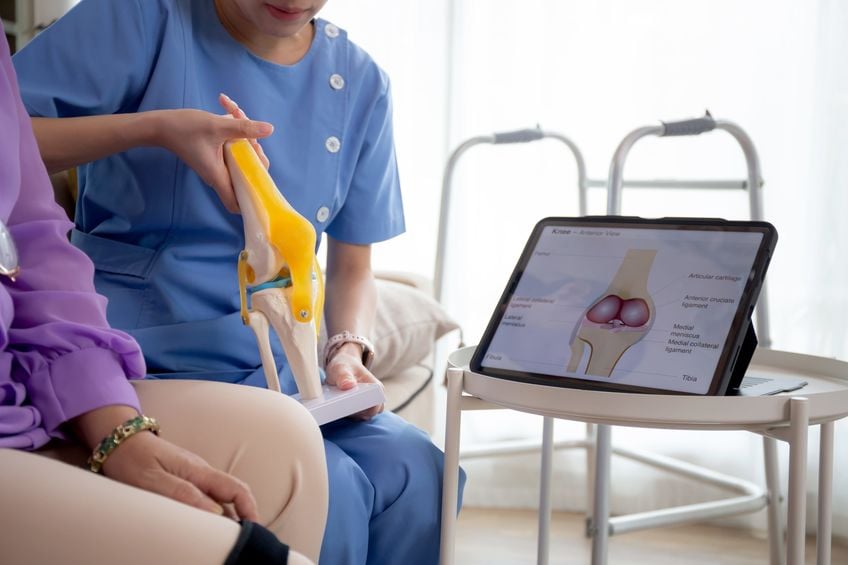
How Robots Influence Joint Replacements
Every year, joint replacements help millions of individuals enjoy pain-free mobility. The procedure is essential for treating cases of severe osteoarthritis that no longer respond to treatment. Joint replacements consist of removing damaged or diseased bone and installing a prosthesis made of metal, ceramic, or a combination of materials. Surgeons typically perform joint replacements on the knee, hip, shoulder, or ankle. For decades, traditional open surgeries were the gold standard, followed by minimally invasive surgery (MIS), but now robotics has shifted the landscape of the procedure. Robotic surgery enhances precision, efficiency, and results. Knowledge about robotic surgery can help potential patients choose the best option.
A robotic-assisted option
Robotic surgery for joint replacement involves a surgeon using a robotic-arm-assisted device to perform this complex procedure. The arm can perform the most precise incisions and actions but is controlled by the surgeon behind a console. Robotic joint replacement uses MIS but with added benefits that surpass the original technique. The procedure typically starts long before the operating room. The team will create a 3D model of the patient's joint using computed tomography (CT) scans. This step helps to plan the surgery in more detail and create a joint that more accurately fits the patient. The robotic arm uses computer-assisted guidance and sensors to perform the procedure while being controlled by the surgeon. The surgeon remains in full control, utilizing this advanced tool to enhance precision and outcomes.
Accuracy and efficiency
The most significant benefits of robotic-arm-assisted surgery for joint replacements are accuracy and efficiency. As the joint is mapped and measured in advance, along with a custom prosthesis, surgical accuracy increases significantly. The information is pre-installed in the robotic arm, including the size, shape, and positioning of the new joint. The device, therefore, can perform the procedure to the nearest millimeter, far surpassing the accuracy of standard MIS. The program can correct the surgeon if there are any errors, allowing instant recalibrations. The bone is removed, and the new joint is installed, taking into account the finer details, like soft tissue and ligament tension. This accuracy leads to less tissue and blood loss, with improved joint function. Surgeons also become more efficient, performing the procedure faster with fewer mistakes.
Shorter recovery, fewer complications
The procedure's accuracy and efficiency create several benefits to patients. While robotic joint replacements are typically longer, the surgery uses small incisions in an outpatient setting. Patients can leave the hospital the same day and start recovery almost immediately. The measurements and preparations mean there are fewer mistakes, meaning less tissue and blood loss. Patients begin healing faster and may experience less postoperative pain. Complications, while possible, are rare due to the precautions taken and the efficiency of the device. Patients even experience improved joint alignment, which feels more natural, leading to a faster return to activities. Statistics show patients have an over 92% success and satisfaction rate.
Joint replacement precision and results
A joint replacement is a critical decision that determines a patient's future health and mobility. Choosing the best strategy increases the chances of success while reducing recovery time. Robotic surgery is quickly becoming the preferred option in locations where available. While effective, robotic surgery may not be for everyone. The ideal candidate is in good health, under 65, and has no terminal illnesses. Patients with severe bone deformities, suffering from severe obesity, or having significant comorbidities may need other options. Robotic surgery for the right patient can significantly improve the quality of life.