Life In Motion Again
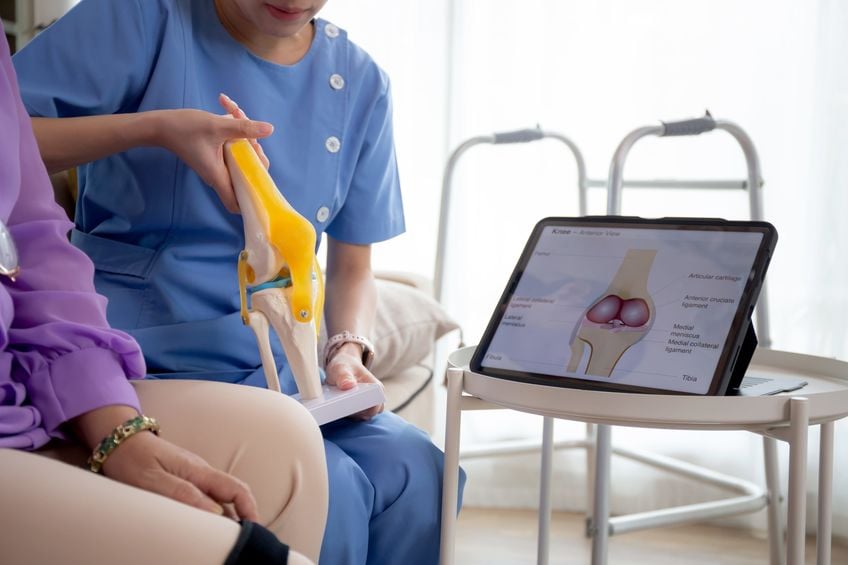
Total joint replacement surgery replaces the damaged surface of a joint with a new part made from strong, long-lasting materials. Hips, knees, and shoulders are the most common areas that need replacement because these joints bear the most weight and endure the most strain. The new surface is designed to move smoothly, ease pain, and bring back function that was lost over time.
Getting ready for surgery
Preparation begins weeks before surgery. Doctors often ask for tests like blood work or imaging to be sure the body is ready. Exercises from a therapist can build strength and flexibility, giving recovery a stronger start. Nutritious food, rest, and light activity also support healing. At home, small changes such as clearing walkways or setting up firm chairs create a safer space for the first days back.
What happens on surgery day
A joint replacement usually lasts just a few hours. After surgery, recovery starts in a monitored space before moving into a hospital room for additional care. Pain relief is introduced quickly, and gentle movement often begins within the first day to support circulation and reduce stiffness. Before discharge, staff walk through what to expect at home so the next stage of recovery feels clear.
Recovery starts at home
The first days at home often bring the hardest adjustments. Even short walks across a room or moving from bed to chair can be draining, but those efforts are the beginning of progress. Ice helps reduce swelling, prescribed medicine reduces pain, and healthy foods give the body strength to heal. A consistent routine with rest, movement, and meals creates a rhythm that supports recovery day by day.
Progress through practice
Therapy shapes recovery from the ground up. Exercises are designed to support the new joint build flexibility first, then strength. Stiffness or soreness often show up in the early weeks. Over time, the focus moves from basic stretches to practical movements such as climbing stairs, standing from a chair, or walking longer distances. With regular practice, progress builds month by month, and ordinary routines like walking, climbing stairs, or standing up feel more natural again.
Keeping discomfort in check
Pain and swelling often follow surgery, but several methods can keep discomfort in check. Ice helps bring down inflammation, while prescribed medicine offers relief when pain feels too much to bear. Elevating the joint reduces pressure and allows fluid to drain, and slow, intentional breathing reduces tension throughout the body.
Help along the way
Support from family, friends, or caregivers can make recovery feel less overwhelming. A ride to an appointment, a meal dropped off, or help with daily chores frees up energy for optimal recovery. Little acts of kindness count just as much as chores or errands, and a few encouraging words can lift the mood on a tough day.
Building strength back
Full recovery takes time, often stretching over several months. Gentle activities like walking, cycling, or swimming help the joint grow stronger without adding strain. High-impact sports are not always the best choice, but most everyday movements come back with practice. Healthy routines with good food, regular activity, and balanced weight give the replacement the best support long term.
Why check-ins matter
Follow-up visits give doctors a chance to see how healing is going and address any concerns. These appointments also track how well the new joint is working day to day. Regular check-ins help spot small issues before these problems grow and keep recovery on the right path. With routine care, the replacement has the best chance to last for many years.
Back to moving with ease
Joint replacement often makes walking, climbing stairs, and other everyday tasks feel easier again. Recovery takes commitment, but gradual progress usually brings more freedom of movement and less pain. With regular checkups, healthy habits, and continued care, a replacement joint can stay strong for many years and support a fuller, more active life.