Faster Healing Ahead
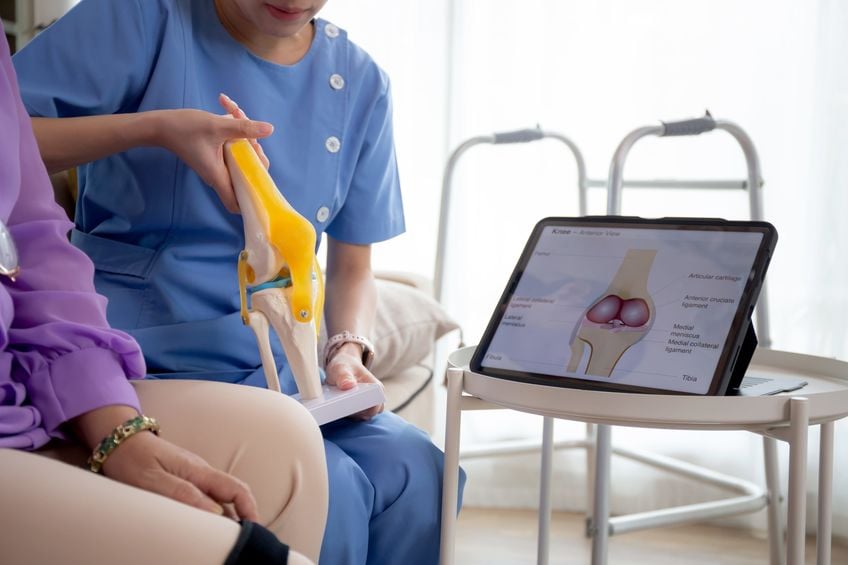
Knee pain can come from many causes, including cartilage damage, ligament injury, or loose fragments in the joint. Swelling, stiffness, and pain that does not ease with rest often point to an issue that requires more than a basic exam. Imaging, such as an x-ray or MRI, may provide some answers, but in many cases a direct look inside the joint is needed to confirm what is wrong. Arthroscopy provides that view, allowing doctors to see the problem clearly and decide on the right treatment.
Seeing inside the joint
Arthroscopy is a minimally invasive procedure that allows doctors to view the inside of the knee with a tiny camera. The camera is inserted through a small incision, giving a clear view of cartilage, ligaments, and other tissue. Additional small tools can be used through other incisions to repair damage at the same time. Because the cuts are so small, pain is usually lower and healing is faster compared to traditional open surgery.
Less invasive and more effective
The biggest advantage of arthroscopy is accurate diagnosis combined with the option for immediate repair. If torn cartilage, loose bone fragments, or damaged tissue are found, the area can often be treated during the same procedure. Patients usually experience less pain, smaller scars, and shorter recovery time. Many return to normal activity in weeks rather than months.
The right time to act
Arthroscopy is often suggested when knee pain continues after rest, medication, or physical therapy. This procedure may also be recommended if imaging shows possible damage but does not give a full picture. Common reasons include meniscus tears, ligament injuries, cartilage wear, or unexplained swelling. For athletes and active individuals, arthroscopy is a way to get back to movement sooner with less downtime.
What patients should know
Every procedure carries risks. With arthroscopy, these may include infection, blood clots, or stiffness, though such complications are less common than with open surgery. Some conditions may not be fully treated with arthroscopy, which means further care could be needed. Understanding both the benefits and the limits helps patients make an informed decision.
Comparing to other treatments
Many knee problems start with simple treatments like rest, ice, medication, or physical therapy. Injections may also be used to reduce pain or swelling for a short time. These options can help in the early stages, but may not address deeper damage inside the joint. Open surgery can treat major problems but involves larger cuts and longer healing. Arthroscopy sits in the middle, offering a direct look inside with far less disruption.
A better way forward
Knee pain that will not go away can disrupt work, exercise, and daily life. Arthroscopy offers a way to confirm the cause and, in many cases, fix it at the same time. With smaller incisions, faster healing, and a direct approach to the problem, this option often provides the clearest path to lasting relief. Talking with a medical professional helps determine if arthroscopy is the right step for restoring movement and reducing pain.