Understanding ACL Injuries
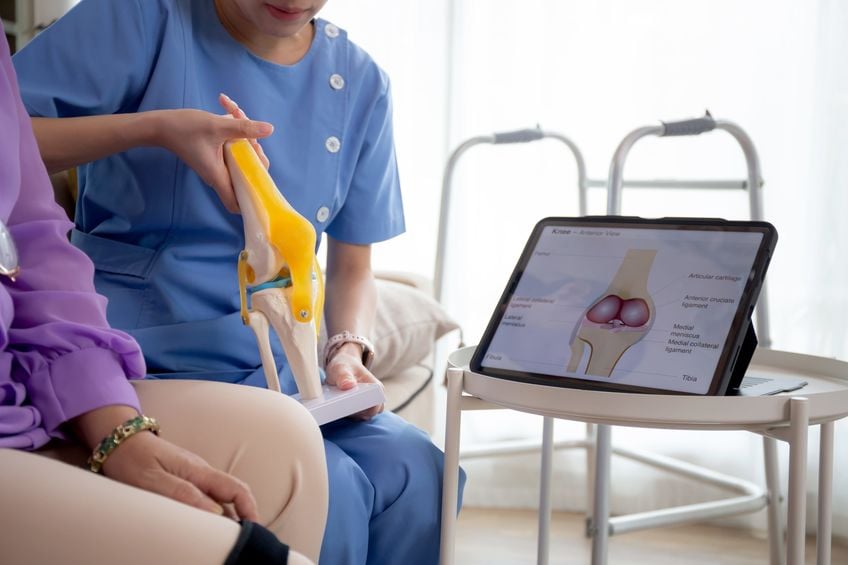
An anterior cruciate ligament tear (ACL) is a severe knee injury that impacts at least 400,000 individuals every year. The ACL connects the shin and thigh bones, stabilizing the knee and preventing excessive rotations. Tears lead to significant pain, swelling, and instability, making movement without pain impossible. ACL injuries are common in sports, especially after a collision, awkward landing, or unnatural twisting of the knee. Severe grade 2 or 3 tears require ACL reconstruction surgery. Surgery marks the beginning of a lengthy rehabilitation process that patients must prepare to complete.
What happens during ACL reconstruction?
ACL reconstruction surgery restores knee stability and maximum function by installing a new tendon. The innovative procedure is typically performed a few weeks after the injury but is possible sooner. Surgeons sedate the patient with general anesthesia for maximum comfort. The procedure begins with incisions around the knee to access the damaged ligament. Most ACL repairs are performed via minimally invasive surgery (MIS) using arthroscopic tools. This option leads to smaller incisions, less blood loss, and reduced postoperative pain. The surgeon will remove the damaged ligament, bone spurs, and damaged tissue. A new tendon grafted from the patient or a donor is then inserted and anchored to the shin and thigh with surgical components. The surgery can take up to 2 hours, and recovery begins immediately.
Immediate post-surgery expectations
After surgery, patients typically experience significant knee pain and swelling lasting several days. This inflammation from the surgery requires close management. Follow the surgeon's instructions on wound care and pain management, including ice packs and pain medication. Patients will need to manage this process for at least 1 week. Mobility is limited as the patient will wear a knee brace and use crutches for movement. Within this first week, however, initial physical therapy (PT) can begin.
Starting physical therapy
Light physical therapy is essential after surgery. PT encourages mobility and blood flow while helping the knee acclimate to the new ligament. A physical therapist will guide the rehabilitation process with exercises suited to the patient. The therapist will gradually increase weight on the knee and direct exercises that help with range of motion (ROM) and flexibility. At the 2-3 week mark, most patients can walk short distances and perform basic exercises. The patient will meet with the surgeon to confirm progress, perform additional scans, and detect any complications.
Long-term strength, endurance, and mobility
PT increases in duration and intensity week over week. The goal is to hit specific strength, mobility, and flexibility milestones. The goal is to continually strengthen the knee using leg presses, squats, leg extensions, and stationary bikes. By the 12-week mark, most patients can perform light jogging and daily activities like climbing stairs without severe discomfort. Athletes need significantly more rehabilitation to return to athletic fitness, which lasts an additional 3-6 months. Therapists will introduce running, agility drills, and sport-specific training. Long-term rehabilitation increases this activity until the patient can return to sport. Additional conditioning, potentially lasting an additional 3 months, is necessary for competitive or contact sports.
Trust the process
Expect a long, complex process lasting several months. Most patients are pain-free and can enjoy normal activities within 6 months. A longer timeline, however, is especially important for individuals hoping to return to contact sports. ACL recovery can be psychologically taxing as patience is required. Patients can also take longer to reach certain milestones. Keep an eye out for complications like infections, fever, and severe pain, reporting these issues quickly. Recovery time can vary depending on patient health, injury severity, and surgical technique. Trust the PT process, adopt healthy habits, meet with the medical team, and adhere to the protocol.