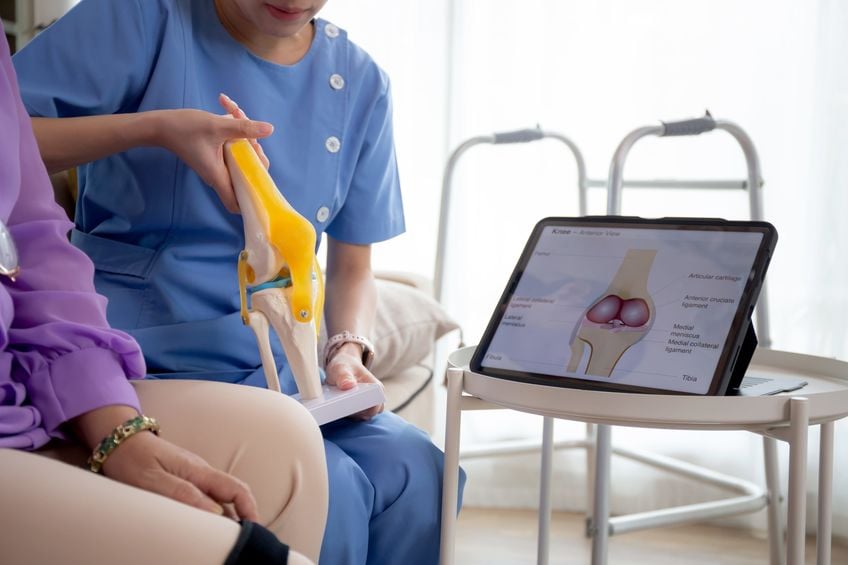
A Successful Joint Replacement Surgery Matters
Joint replacements are an effective procedure to address chronic osteoarthritis or severe joint damage. When years of non-surgical treatment fail, a new prosthetic joint can relieve pain, improve mobility, and transform patient quality of life. Changing the joint is not enough. The surgery must be effective and successful for the patient to truly benefit. There are cases where knee or hip replacements fail, requiring corrective surgery. Patients can significantly reduce unsuccessful joint replacement rates. With these 3 effective tips, patients can get the best out of the procedure.
1. Optimize your physical health
Patient health is directly related to the success of a joint replacement. For joint replacements, healthy patients can achieve better mobility and reduced pain with the new joint. Start with regular, gentle exercises to strengthen the area where the joint will be replaced. Consider working with a health professional to lose excess weight, which has a direct impact on joint pain and health. Combining exercise with a healthy diet improves blood pressure, limits certain lifestyle diseases, and improves healing. Strategies like reducing smoking and alcohol consumption while incorporating joint healthy supplements can help. The healthier a patient is before surgery, the more successful the outcome.
2. Create a solid recovery plan
Joint replacements are a multi-step process that requires a lengthy rehabilitation plan. Depending on the joint replacement, some patients need at least 3 months of rehabilitation to truly enjoy the results.
Anything that potentially hurts recovery can lead to complications or a joint replacement failure. Follow the surgeon's instructions on postoperative care, pain management, and physical therapy. Attend all therapy sessions, following the steps as best as possible. Physical therapy continues afterward to plan daily stretches, exercises, and massage. During the first month, most patients need support and an environment that promotes recovery. Consider enlisting help from a friend or family member to help with activities of daily living (ADL) or simple tasks such as cooking and housework.
3. Consider prehabilitation exercises
More doctors are recommending starting physical therapy weeks or months before joint replacements. These are not exercises to simply stay healthy, but specific movements to strengthen the impacted joint. Patients will likely perform these exercises after surgery. Starting sooner strengthens the joint for surgery, builds great habits, and ensures the joint responds more effectively. Studies show that prehabilitation significantly improves outcomes.
Enjoy your new joint
Having a new joint feels like night and day. Patients who once struggled to move pain-free can now have a more enjoyable life. Joint replacements can last for decades and are an effective solution for severe osteoarthritis. Success can depend on the patient's approach to the surgery. Follow the surgeon's advice, adopt healthy habits, exercise, and consider advanced rehabilitation for long-term results.